
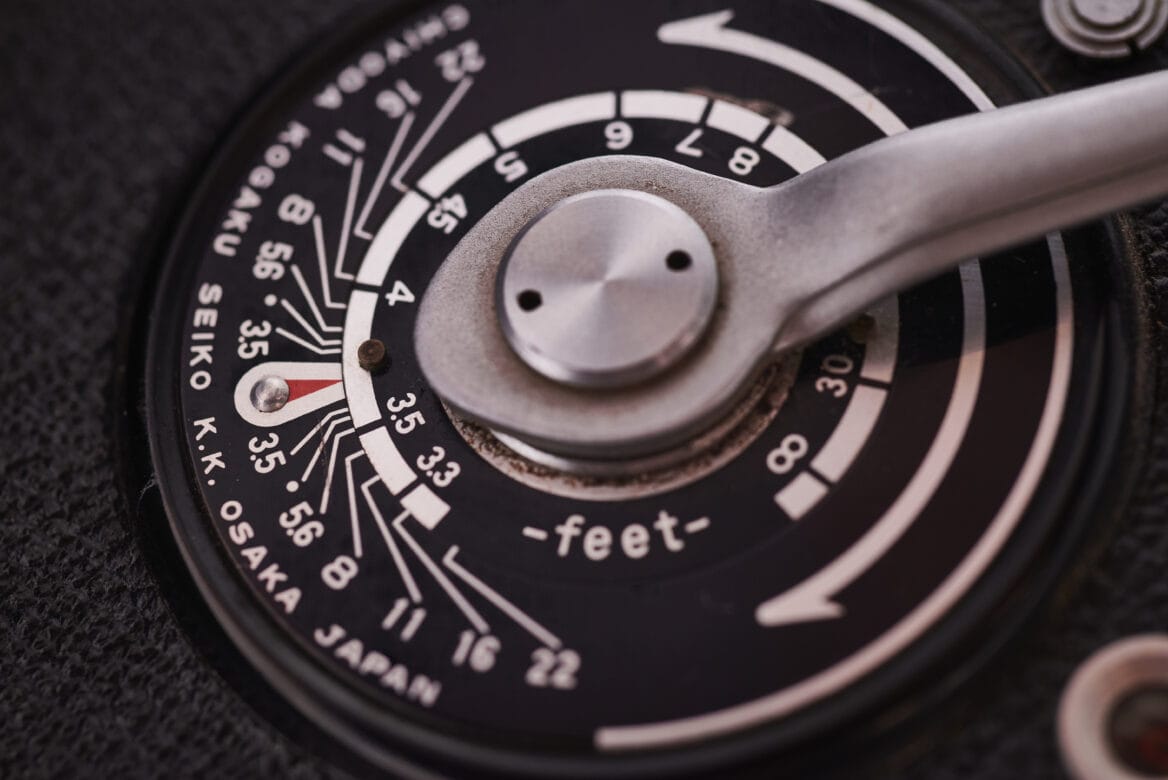
What is Exposure in Photography?
Exposure is one of the most fundamental concepts in photography. It refers to the amount of light that reaches your camera’s sensor (or film) when you take a photo. Proper exposure ensures that your image is neither too bright (overexposed) nor too dark (underexposed), but balanced to reveal the details you want.
The Exposure Triangle
Exposure is controlled by three key settings, often called the Exposure Triangle:
- Aperture (f-stop) – The size of the lens opening. A wider aperture lets in more light, while a smaller aperture lets in less.
- Shutter Speed – How long the shutter stays open. A slower speed allows more light in, while a faster speed reduces light.
- ISO – The sensitivity of your camera’s sensor to light. A higher ISO brightens the image but can introduce noise.
Why Exposure Matters
- Creative Control: Exposure affects mood and style. Bright, airy images feel different from dark, moody ones.
- Detail Preservation: Proper exposure ensures highlights aren’t blown out and shadows aren’t lost.
- Technical Quality: Balancing exposure reduces noise and maintains sharpness.
How to Check Exposure
Most cameras provide tools like:
- Light Meter: Indicates if your shot is under, over, or correctly exposed.
- Histogram: Shows the distribution of tones in your image.
Final Thoughts
Mastering exposure is the first step toward taking control of your photography. Once you understand how aperture, shutter speed, and ISO work together, you’ll have the freedom to create images that match your vision—whether that’s crisp landscapes, dreamy portraits, or dramatic low-light shots. Practice adjusting these settings in different lighting conditions, and soon exposure will become second nature.